


Understanding how window glass thickness impacts noise reduction and heat insulation is essential for homeowners in Ottawa. Homeowners face extreme temperatures and unpredictable weather, which makes finding efficient glass solutions critical for comfort and energy savings. This blog will help you understand how different types of window glass work and what choices you have when upgrading your windows.

The Basic Idea Behind Glass Thickness
When choosing windows, glass thickness is one of the key factors that will affect your home’s comfort level and energy efficiency. Glass thickness refers to how thick each pane of glass in a window is, measured in millimeters. Thicker glass can particularly improve a window’s ability to reduce noise and maintain heat in your home.
Single-Pane Versus Double and Triple-Pane Windows
Let’s start by comparing single, double, and triple-pane windows. Single-pane windows have one layer of glass. These windows are fundamental and do not provide strong insulation or noise reduction. They can allow a lot of heat transfer, making homes less energy efficient.
Double-pane windows, also called double-glazed windows, have two panes of glass with a layer of air or gas between them. This design allows the window to block more heat and limit heat loss, while also improving noise reduction. This makes double-glazing a popular choice in Ottawa, where homes face both noise and extreme temperatures.
Triple-pane windows go a step further by adding a third layer of glass. This third layer increases the window’s insulation and acoustic performance even more. Triple-pane windows can maintain heat better and do a great job blocking noise, which is excellent for quieting down those busy Ottawa streets.
How Thickness Affects Noise Reduction
Noise from outside can disturb your home life. Thicker glass and multiple panes improve a window’s ability to reduce sound. Acoustic glass, for instance, is specially designed for better sound absorption. But even without special acoustic glass, choosing thicker glass or multiple panes helps in soundproofing.
In a double-glazed or triple-glazed window, panes of different thicknesses are separated by air or inert gas like argon. This layer plays a role in reducing noise because sound waves have to pass through different materials and spaces, weakening them along the way. So, for a peaceful home environment, invest in thickness ranges that offer good acoustic performance.
How Thickness Affects Heat Insulation
The second significant benefit of thicker glass is improved energy efficiency through better insulation. In a place like Ottawa, reducing heat loss in winter is a priority. Multiple glazing units, such as double or triple-pane windows, greatly minimize heat loss. Each pane of glass, separated by gas-filled layers, acts as a barrier to heat transfer.
In double-pane windows, the extra layer of air or gas acts like a blanket for your home, insulating against both hot and cold temperatures. Triple-pane windows add an extra layer, enhancing insulation even more. These designs help homeowners save on energy by keeping heat in during winter and blocking heat during the summer.
Advanced Window Technologies
Beyond thickness, other technologies can also improve window performance. Low-E coatings (or low-emissivity coatings) are used on glass to reflect heat, allowing your home to stay warmer in the winter and cooler in the summer. These coatings do not block natural light, maintaining bright indoor spaces.
Laminated glass is another option that boosts both the safety and noise reduction of windows. It consists of two or more layers of glass connected with interlayers, making it sturdier and capable of reducing outside noise.
Tempered glass goes through a thermal process, making it much stronger than regular glass. While it offers greater safety because it breaks into small, blunt pieces, leading to fewer injuries, its noise and insulation benefits derive mainly from its thickness range and glazing unit design.
Customizing Glass for Energy-Efficient Homes
Building or renovating homes in Ottawa means preparing for diverse weather conditions. Choosing windows with energy-saving features such as double-glazing or triple-pane designs contributes significantly to a home’s energy efficiency. Windows specifically designed with proper insulation and thickness in mind can lower energy bills and enhance comfort.
New windows might require a higher upfront investment, but consider them a key role in long-term savings plans. When replacing window glass, look for options that combine multiple panes of glass with gas fills and appropriate thickness to ensure optimum performance.
Key Considerations when Choosing Window Glass
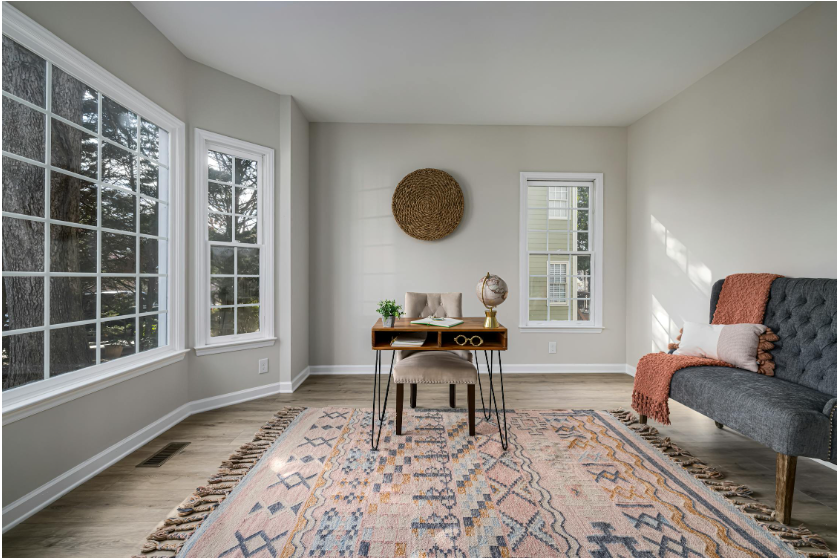
– Insulated glass units: Evaluate options for double or triple-glazing units to match your insulation needs.
– Thickness ranges: Consider glass that’s thick enough to offer effective noise reduction and minimize heat transfer.
– Glazing types: Different glass and coating combinations may offer varied advantages in energy efficiency and soundproofing.
– Low-E coatings: Choose windows with these coatings to conserve energy.
– Laminated glass: Handy for quieter interiors and additional safety.
– Energy efficiency: The efficiency of glass affects your heating and cooling needs and costs.
Conclusion
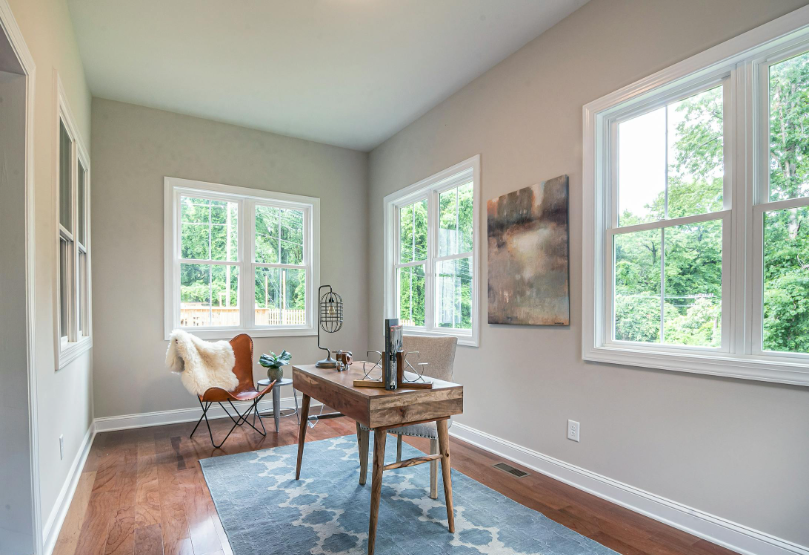
Choosing the correct type of window glass for your home in Ottawa requires understanding how glass thickness, pane design, and technologies like Low-E coatings contribute to noise reduction and heat insulation. Balancing these factors can transform your living environment, offering comfort and savings year-round.
Ultimately, thicker glass combined with innovative window technologies and triple-glazed designs offers the best approach to achieving quiet, energy-efficient homes in Ottawa.